
Woodworking is more than just a craft; it is an art form that brings warmth, character, and a sense of timelessness into any home. In an era of mass-produced furniture, handcrafted wooden decor offers a unique soul that cannot be replicated by factory machines. Whether you are a seasoned carpenter or a weekend DIY enthusiast, creating your own home accents allows you to tailor every grain, stain, and finish to your specific interior aesthetic. High-quality woodworking projects serve as the ultimate conversation starters while significantly increasing the perceived value of your property.
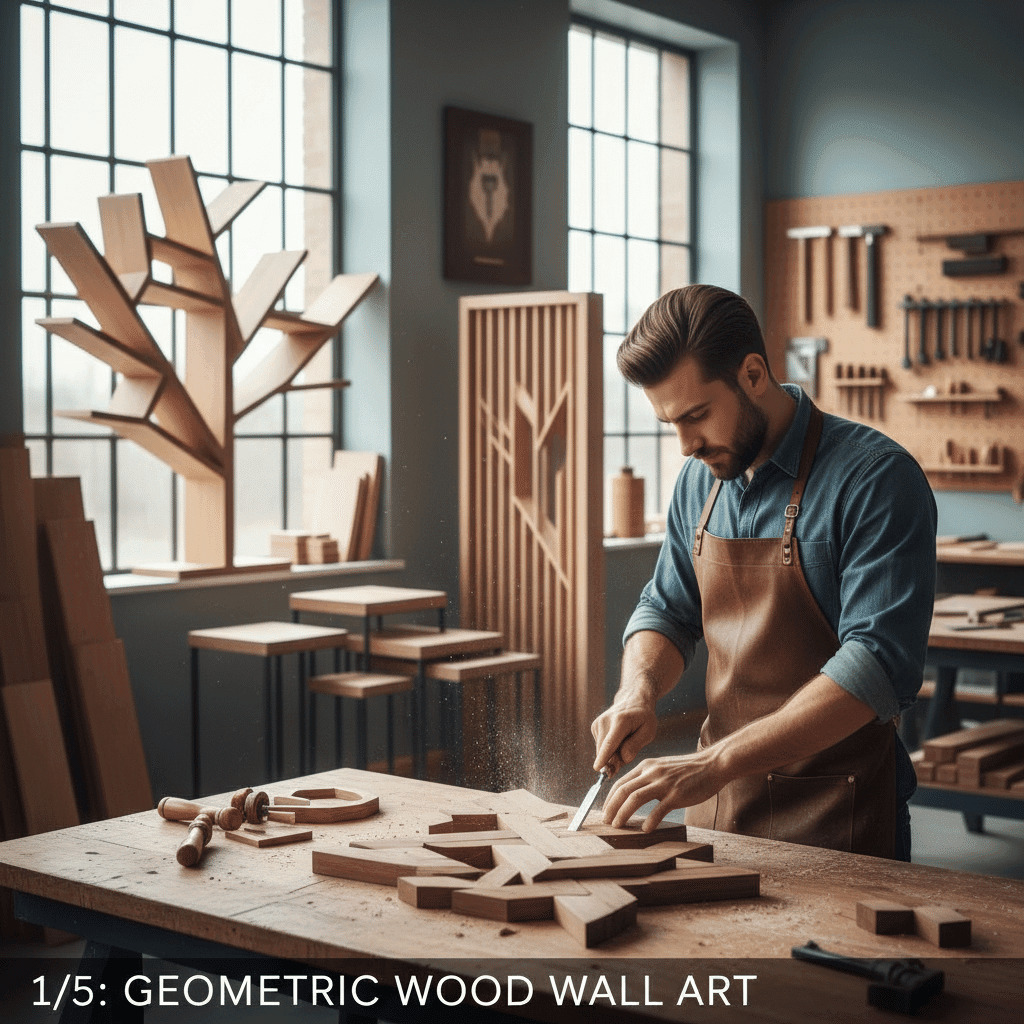
Key Takeaways for Home Woodworking Projects
- Natural materials provide an organic feel that balances modern, synthetic interior designs.
- Customization is the primary advantage of woodworking, allowing for perfect sizing and specific wood species selection.
- Sustainability is enhanced when using reclaimed wood or responsibly sourced lumber for your decor.
- Proper finishing techniques are essential to ensure the longevity and durability of every wooden piece.
- Safety should always be a priority, requiring the use of personal protective equipment (PPE) and well-maintained power tools.
1. Floating Live Edge Shelves: The Fusion of Nature and Function
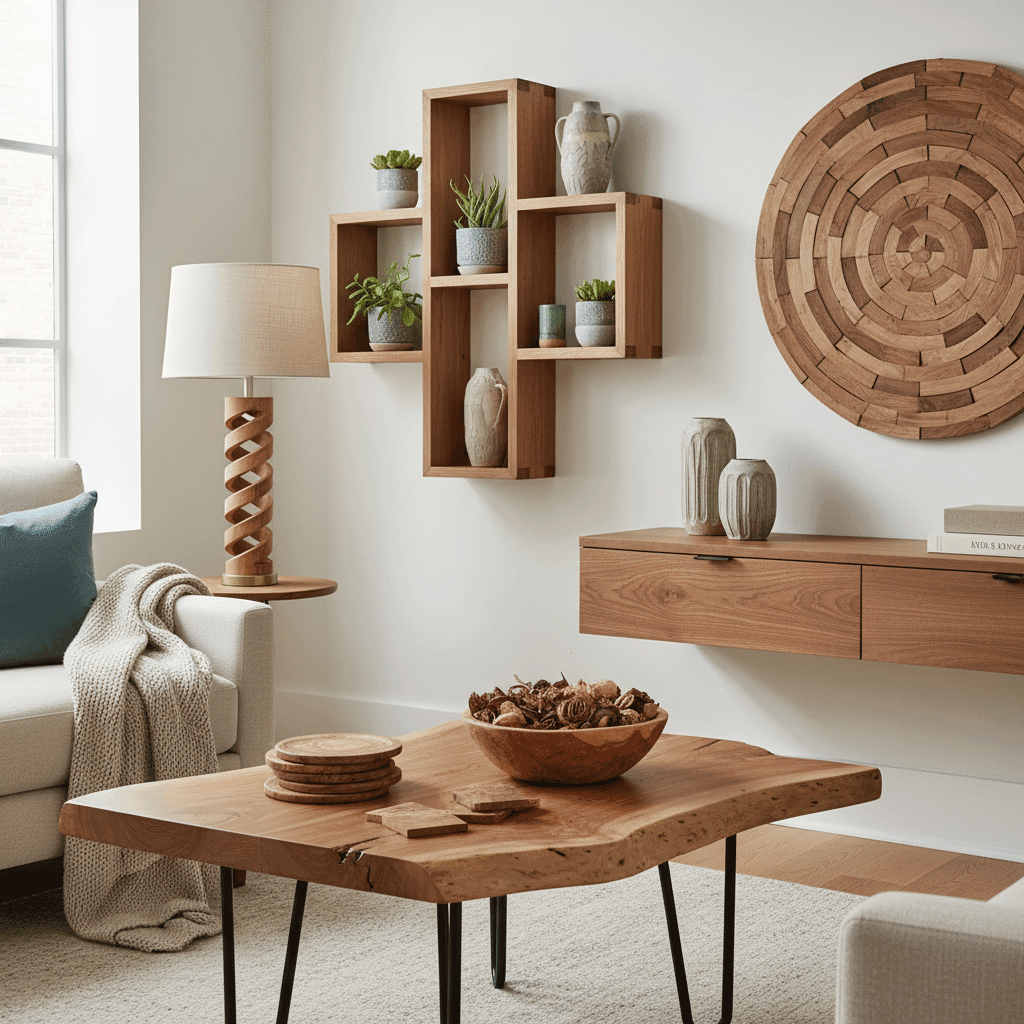
Floating live edge shelves have become a staple in high-end interior design due to their ability to bring raw, natural beauty into a functional storage solution. A live edge refers to the natural edge of the wood, which is kept intact rather than being squared off by a saw. This preserves the original shape of the tree, complete with its unique undulations and textures.
To create these, select a high-quality hardwood slab such as Walnut, Cherry, or White Oak. The key to a successful floating shelf is the hidden mounting hardware. Using heavy-duty blind shelf supports ensures that the wood appears to grow directly out of the wall. Sanding the surface to a fine 220-grit finish and applying a clear matte polyurethane will protect the wood while highlighting the intricate grain patterns. These shelves are perfect for displaying heirloom pottery or minimalist book collections.
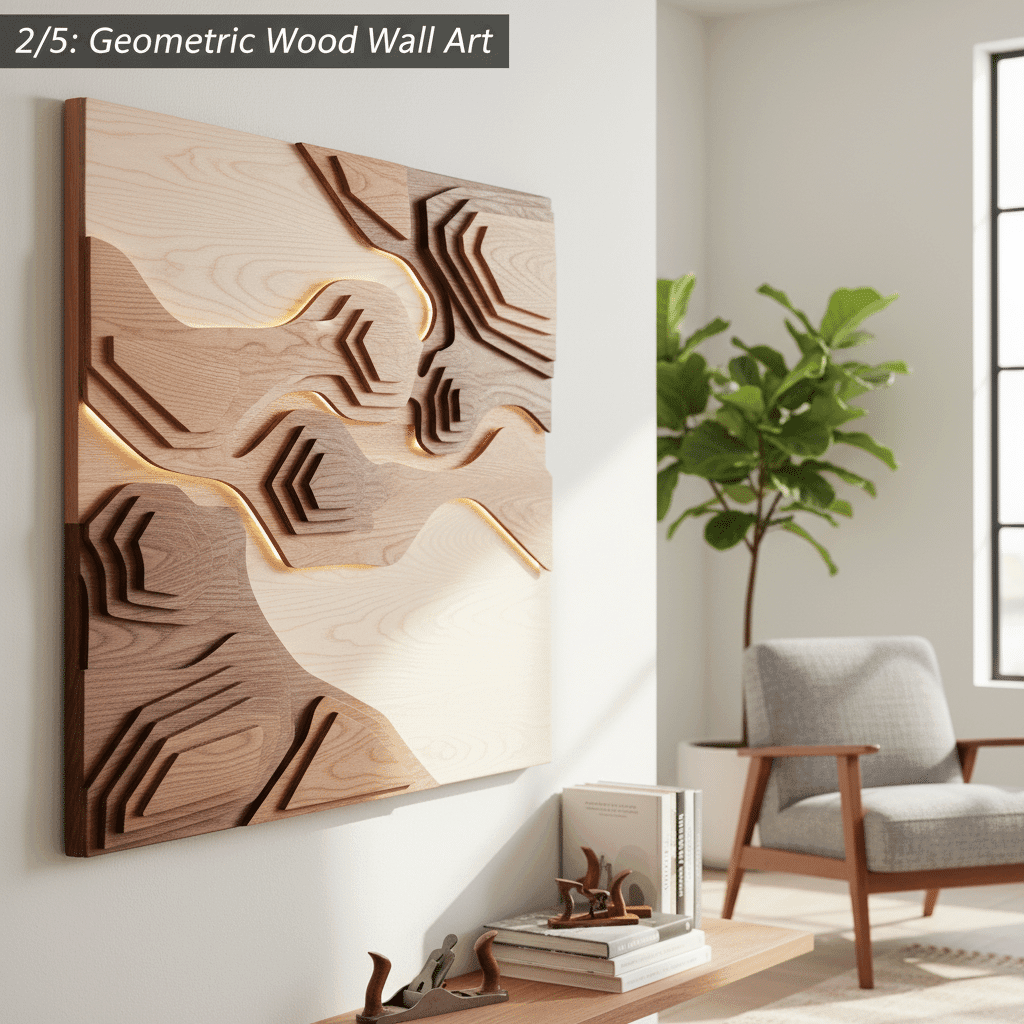
2. Geometric Wood Wall Art: Modernizing Traditional Craft
Geometric wood wall art is an incredible way to utilize offcuts and scrap wood from larger projects. This style of decor relies on precision angles and contrasting wood tones to create a visually striking mosaic. By arranging triangles, hexagons, or chevrons into a patterned frame, you can create a 3D effect that adds depth to any room.
When constructing geometric art, accuracy in miter cuts is paramount. Using a dedicated miter saw with a high-tooth count blade will result in clean, gap-free joints. Experimenting with different wood species, such as the dark hues of Walnut against the pale tones of Maple, provides natural contrast without the need for artificial stains. Applying a simple beeswax finish will give the art a soft, natural glow that enhances the different light-reflecting properties of the various wood grains.
3. Farmhouse Style Coffee Tables: The Heart of the Living Room
The farmhouse coffee table remains one of the most popular woodworking projects for home decor because of its sturdy construction and rustic charm. A well-built coffee table serves as the functional anchor of the living room, providing a surface for both daily use and aesthetic display. This project typically features a thick, planked top and robust legs, often utilizing breadboard ends to manage seasonal wood movement.
Choosing the right joinery is critical for a table that will last generations. Pocket hole joinery is excellent for beginners, while advanced woodworkers might opt for mortise and tenon joints for maximum structural integrity. Distressing the wood with chains or hammers before staining can give a new table a vintage, time-worn appearance. A durable topcoat is non-negotiable; using a wipe-on oil or a water-based lacquer will protect the surface from water rings and scratches.
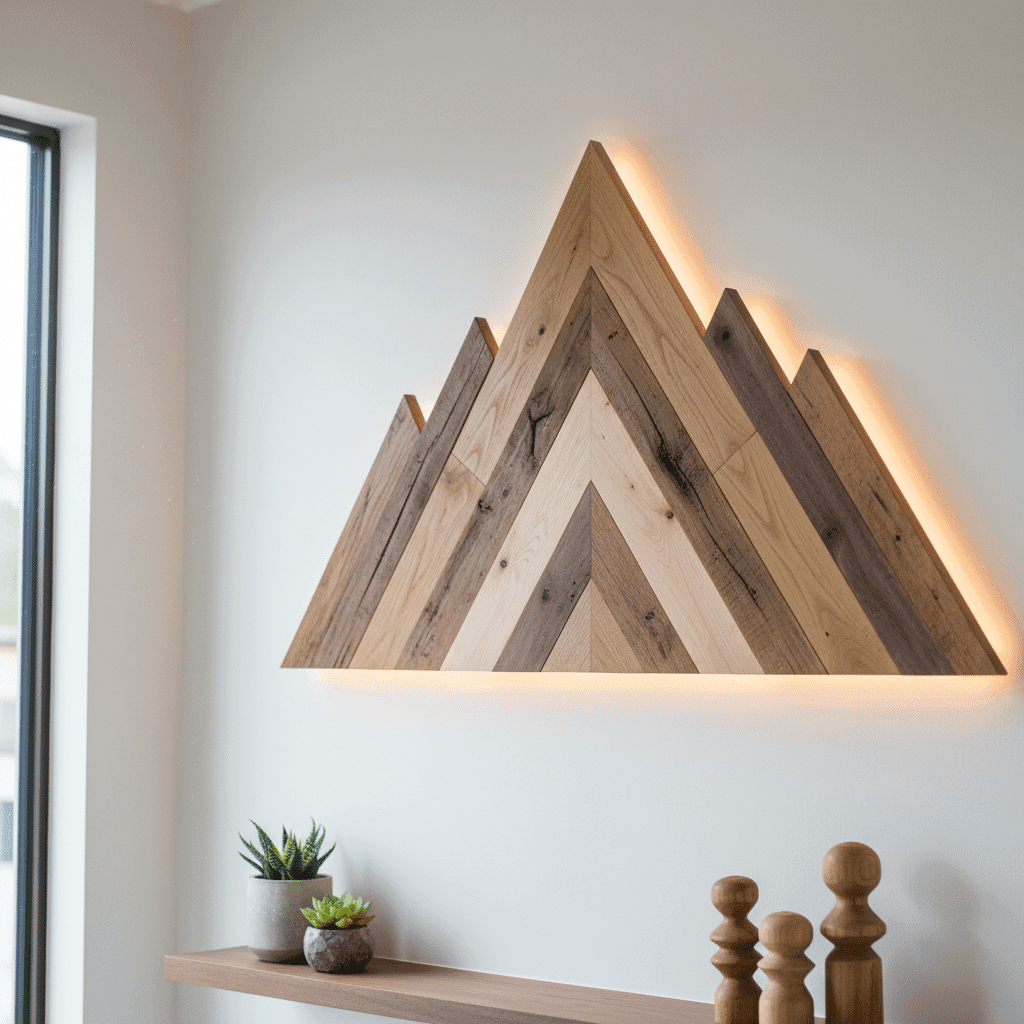
4. Handcrafted Serving Boards and Charcuterie Trays
Handcrafted serving boards are the perfect entry-point project that delivers immediate luxury to your kitchen and dining experience. These boards are not only functional but also serve as beautiful decorative accents when leaning against a backsplash. The choice of wood is the most important factor here, as it must be dense, closed-grain hardwood to ensure food safety.
Woods like Hard Maple, Walnut, and Cherry are the gold standard for food-contact surfaces. Avoid open-grain woods like Red Oak, which can trap bacteria in the large pores. Creating a juice groove with a router adds a professional touch, while an ergonomic handle makes the board easy to carry. Maintenance is key; always finish these boards with food-grade mineral oil and a butcher block conditioner to keep the wood hydrated and sanitary.
5. Minimalist Wooden Planters for Indoor Greenery
Minimalist wooden planters provide a warm, organic contrast to the vibrant greens of indoor house plants. Using wood to house plants bridges the gap between the natural world and modern architecture. Whether you prefer a mid-century modern tripod stand or a simple cedar box, wooden planters elevate the look of common plastic nursery pots.
Moisture protection is the biggest challenge when working with wooden planters. Always use a plastic liner or a waterproof sealant on the interior to prevent the wood from rotting due to soil moisture. Cedar and Teak are excellent choices for planters because of their natural resistance to decay and insects. Simple butt joints or mitered corners reinforced with waterproof wood glue will ensure the planter stays together even in humid environments.
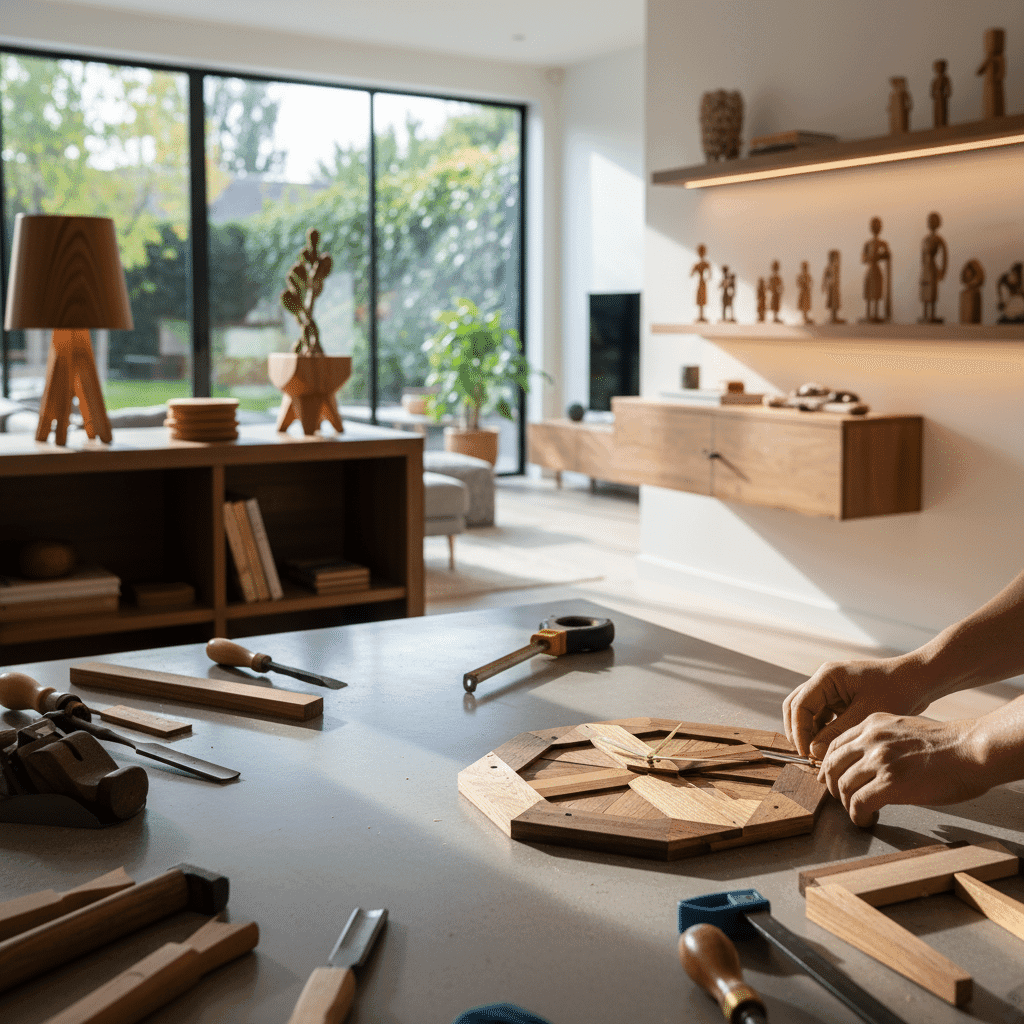
6. Reclaimed Wood Headboards: Sustainable Rustic Elegance
A reclaimed wood headboard is a statement piece that instantly transforms a bedroom into a cozy, high-end retreat. Utilizing salvaged barn wood or pallet wood gives the project a history and a texture that new lumber simply cannot match. The variation in color and the presence of old nail holes add a layer of authenticity and rugged beauty.
Preparation is the most labor-intensive part of working with reclaimed materials. Thorough cleaning and light sanding are necessary to remove splinters while preserving the weathered patina. Mounting the planks to a plywood substrate provides a stable backing and makes installation much easier. A light coat of satin varnish will seal in the character without making the wood look overly processed or shiny.
7. Custom Built-In Wine Racks
Custom wine racks are the epitome of sophisticated home woodworking, offering both storage and a display for your collection. A well-designed wine rack ensures that bottles are stored at the correct angle to keep the corks moist, which is essential for long-term preservation. Whether built into a kitchen island or as a standalone wall unit, a wooden wine rack adds a touch of class.
Precision is required when drilling the holes for bottle necks or cutting the scalloped supports. Using a Forstner bit on a drill press is the best way to achieve clean, uniform circles. Darker stains often work best for wine racks, as they evoke the feel of a traditional wine cellar. Ensure the structure is securely anchored to the wall, as a full collection of wine can be surprisingly heavy.
8. Decorative Wooden Blanket Ladders
Wooden blanket ladders are a trendy and practical way to manage vertical storage in small spaces. They provide a stylish place to hang decorative throws while taking up very little floor real estate. This project is highly accessible and can be completed in a single afternoon with basic tools.
Angled cuts at the top and bottom allow the ladder to lean securely against the wall. Adding non-slip rubber pads to the contact points will prevent the ladder from sliding on hardwood floors. For a modern look, use clean-lined Poplar finished with a black ebony stain. For a more rustic vibe, use rough-sawn pine with a light whitewash finish. The rungs should be spaced evenly to allow blankets to drape naturally without looking cluttered.
9. Solid Wood Picture Frames for Bespoke Galleries
Solid wood picture frames allow you to bypass the flimsy, plastic options found in big-box stores. Creating your own frames gives you total control over the profile, depth, and finish, ensuring your artwork or photography is perfectly complemented. A gallery wall of matching handmade frames creates a cohesive and professional look in any hallway or living room.
The secret to a perfect frame is the miter joint. Using a dedicated miter trimmer or a precision shooting board ensures that the corners meet perfectly with no light visible through the seam. Rabbeting the back of the frame with a router or table saw provides the necessary recess for the glass, artwork, and backing board. Using splines in the corners not only adds a beautiful decorative detail but also significantly strengthens the joint.[IMAGE_6]
10. Intricate Wood Coasters and Desk Accessories
Small woodworking projects like coasters and desk organizers are excellent for practicing new techniques like inlay or epoxy resin pours. These items make for incredible gifts and add a touch of handmade luxury to daily routines. Even the smallest scrap of exotic wood like Zebrawood or Purpleheart can be turned into a functional piece of art.
Applying a cork or felt backing to your coasters will protect your furniture from scratches. Using a high-quality oil-wax finish provides a tactile feel that is much more pleasant than a thick plastic coating. For desk accessories, consider integrated wireless charging pads hidden beneath a thin layer of wood for a truly modern, high-tech woodworking project. These small details are what truly define a well-decorated, thoughtful home.
Essential Tools and Materials for Home Decor Woodworking
To successfully execute these home decor ideas, you must have the right foundation of tools and materials. While you don’t need a million-dollar workshop, investing in several core power tools will make your projects much more enjoyable and professional. A reliable Table Saw, a Miter Saw, and a Random Orbital Sander are the three most important machines for any decor project.
Don’t overlook the importance of high-quality adhesives and fasteners. Titebond II or III wood glue is the industry standard for a reason, providing a bond that is stronger than the wood itself. Clamps are also vital; as the old woodworking adage goes, “you can never have too many clamps.” Investing in a variety of F-style and parallel clamps will ensure your glue-ups are square and tight every time.
The Importance of Wood Finishing
The finish is what separates a DIY project from a professional-grade piece of furniture. Sanding is the most tedious but crucial step in the finishing process. You must progress through the grits (80, 120, 150, 180, to 220) without skipping a step to ensure all tool marks are removed. Wiping the wood with mineral spirits before applying the final finish will reveal any hidden scratches that need more attention.
Choosing between oil-based and water-based finishes depends on the desired look and the environment. Oil-based polyurethane provides a warm, amber glow and is extremely durable, making it ideal for coffee tables. Water-based finishes stay crystal clear and dry much faster, which is perfect for light woods like Maple or Birch where you want to maintain the natural paleness. Always apply finishes in a dust-free environment to ensure a smooth, glass-like surface.
Conclusion: Crafting Your Home’s Identity
Incorporating woodworking into your home decor is a journey of creativity and self-expression. From the rugged simplicity of a reclaimed wood headboard to the refined elegance of a live edge shelf, these projects allow you to build an environment that reflects your values and tastes. Wood is a living material that changes with the seasons, aging gracefully and telling a story over time. By picking up a saw and a piece of timber, you are not just making a shelf or a table; you are crafting the very fabric of your home’s identity. Start small, focus on the details, and enjoy the rewarding process of bringing your woodworking visions to life.