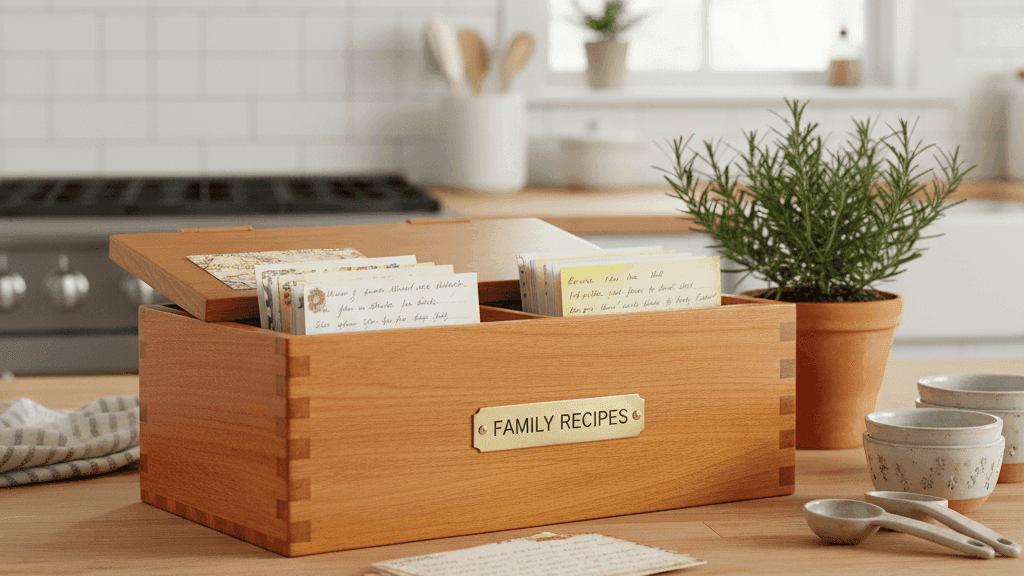
In the modern digital age, where every recipe is just a click away on a smartphone, there remains a profound, tactile charm in the physical act of flipping through a hand-written recipe card. A wooden recipe box is not merely a storage container; it is a vessel for family history, a piece of functional art, and a cornerstone of kitchen decor that bridges the gap between utility and aesthetic beauty. Crafting your own recipe box allows you to tailor the design to your specific kitchen style, whether you prefer a rustic farmhouse look or a sleek modern finish. This guide will walk you through the comprehensive process of creating a high-quality wooden recipe box that will stand the test of time and become a cherished family heirloom. Woodworking has long been a staple of human craftsmanship, as noted in the historical overview of Woodworking techniques through the centuries.
Key Takeaways for Crafting a Wooden Recipe Box
- Material Selection: Choosing the right hardwood like Walnut or Cherry ensures longevity and a premium feel.
- Precision Joinery: Using miter joints or finger joints adds professional structural integrity and visual appeal.
- Sustainable Sourcing: Always prioritize wood sourced from responsibly managed forests to ensure environmental health.
- Customization: Personalized engravings and high-quality hardware transform a simple box into a piece of home decor.
- Food-Safe Finishing: Since the box lives in the kitchen, using non-toxic oils is essential for safety.
Selecting the Perfect Wood Species for Kitchen Decor
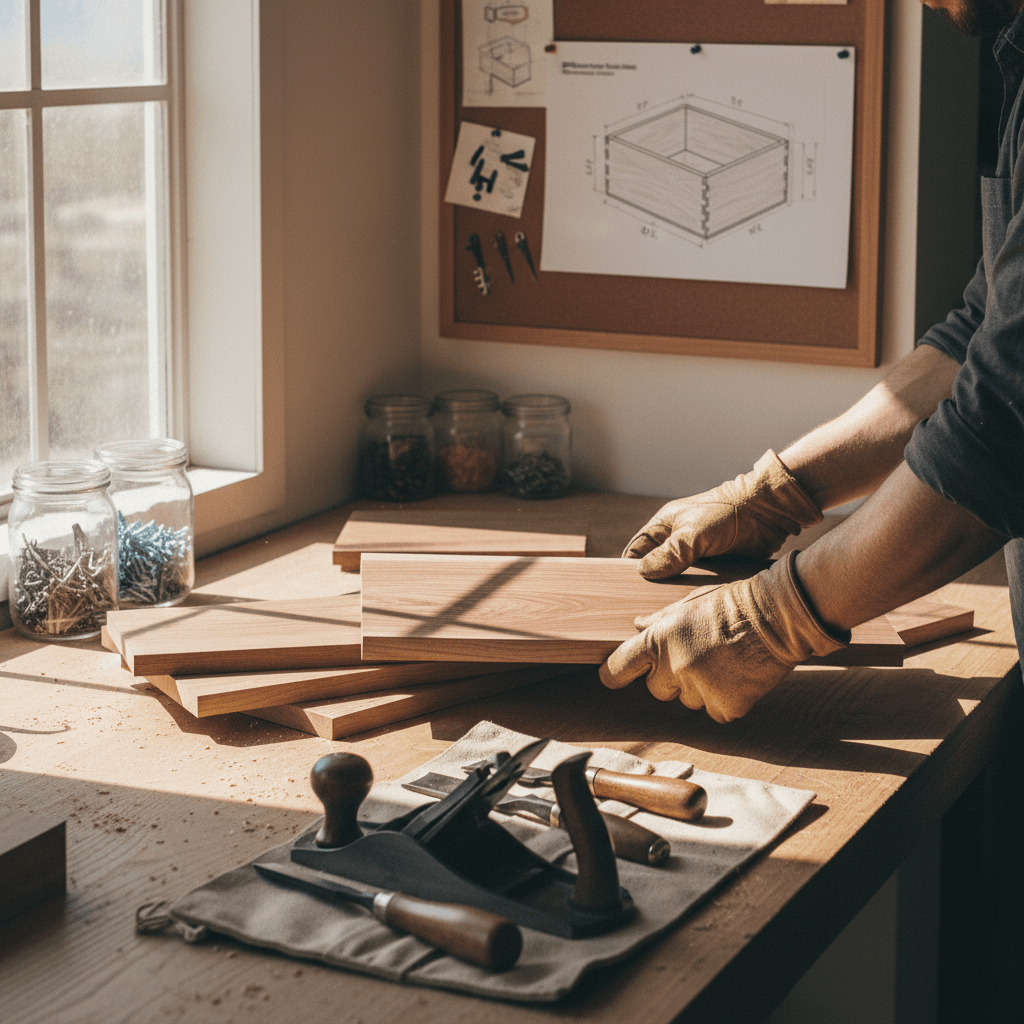
The choice of wood is the most critical decision you will make in this project because it determines both the durability and the visual impact of the final piece. For a recipe box that doubles as a piece of decor, you want a species that features interesting grain patterns and rich natural colors. Walnut is a perennial favorite among woodworkers for its deep chocolate tones and excellent workability. Alternatively, Cherry wood provides a warm, reddish hue that darkens beautifully over time, adding character to your kitchen counter. If you are looking for more information on the physical properties of these species, the Wood Database is an invaluable resource for comparing density and grain characteristics. Sustainable woodworking is also a priority; we recommend looking for lumber certified by the Forest Stewardship Council to ensure your project supports ethical forestry practices. For those who are new to selecting materials, our detailed woodworking guides offer deeper insights into lumber grades and moisture content.
Essential Tools and Workshop Safety
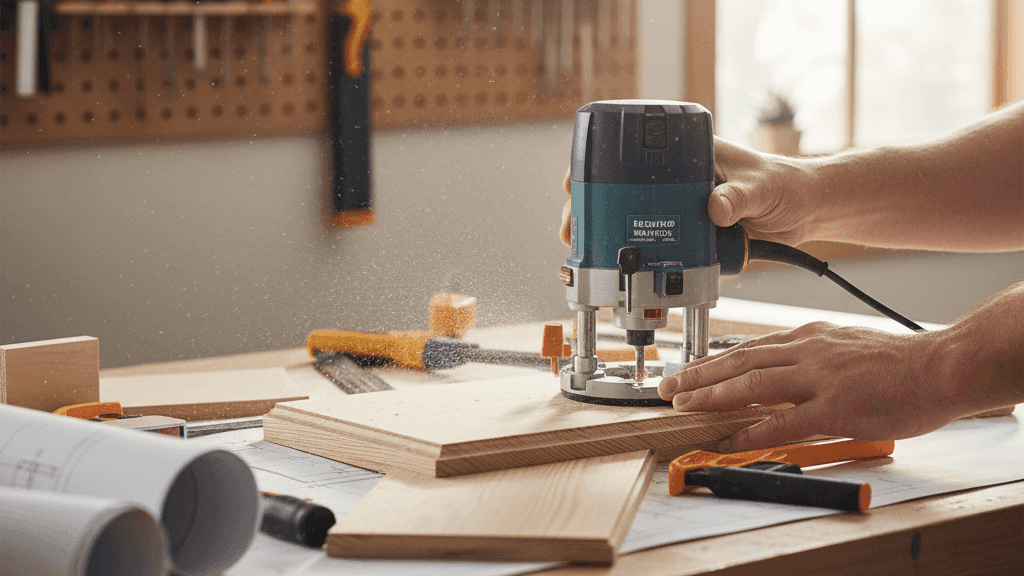
Before you make your first cut, ensuring you have the right tools and safety equipment is paramount to a successful woodworking project. You will need a table saw or a high-quality hand saw for the primary cuts, a miter gauge for precision angles, and a router table if you plan on adding decorative edges or rabbets for the box bottom. Safety gear, including eye protection, hearing protection, and a dust mask, should be worn at all times while operating machinery. High-quality woodworking requires patience and the right measurements; remember the age-old adage: measure twice, cut once. If you find yourself needing professional assistance or specialized cuts, you can explore our professional woodworking services to help bring your vision to life. Maintaining a clean and organized workspace is not just about efficiency; it is the most effective way to prevent accidents during the construction of your recipe box.
The Step-by-Step Construction Process
1. Designing and Dimensioning the Stock
Standard recipe cards are typically 4×6 inches or 3×5 inches, so your box must be sized accordingly to allow for dividers and easy access. Start by milling your wood to a consistent thickness, usually around 3/8 or 1/2 inch, which provides a sturdy feel without being overly bulky. Precision dimensioning is the foundation of a box that fits together seamlessly without gaps. You should plan for an internal width that is at least 1/4 inch wider than your cards to prevent them from sticking. Using a planer to achieve a uniform thickness across all pieces is highly recommended for professional results.
2. Cutting the Joinery
The joints are where the beauty of woodworking truly shines, and for a recipe box, miter joints offer a clean, continuous grain appearance. To execute perfect 45-degree miters, ensure your table saw blade is exactly perpendicular to the table and your miter gauge is perfectly calibrated. For those seeking a more traditional or robust look, box joints or dovetails are excellent alternatives that showcase high-level craftsmanship. You can find advanced tutorials on complex joinery at Fine Woodworking, a leading authority on professional techniques. Regardless of the joint type, a dry fit is essential before applying any glue to ensure every corner aligns perfectly.
3. Preparing the Bottom and Lid
A floating bottom is the best way to account for wood movement, which is the natural expansion and contraction of wood due to humidity changes in the kitchen. Cut a groove (or dado) near the bottom edge of the side pieces to house a thin piece of plywood or matching hardwood. The lid can be constructed as a separate piece with hinges or as part of a single ‘solid’ box that is later cut apart on the table saw. Cutting the lid from the assembled box ensures that the grain remains perfectly continuous from the base to the top, a hallmark of luxury woodworking. This technique is often favored by professionals because it eliminates the struggle of aligning a separate lid perfectly with the base.
4. Assembly and Glue-Up
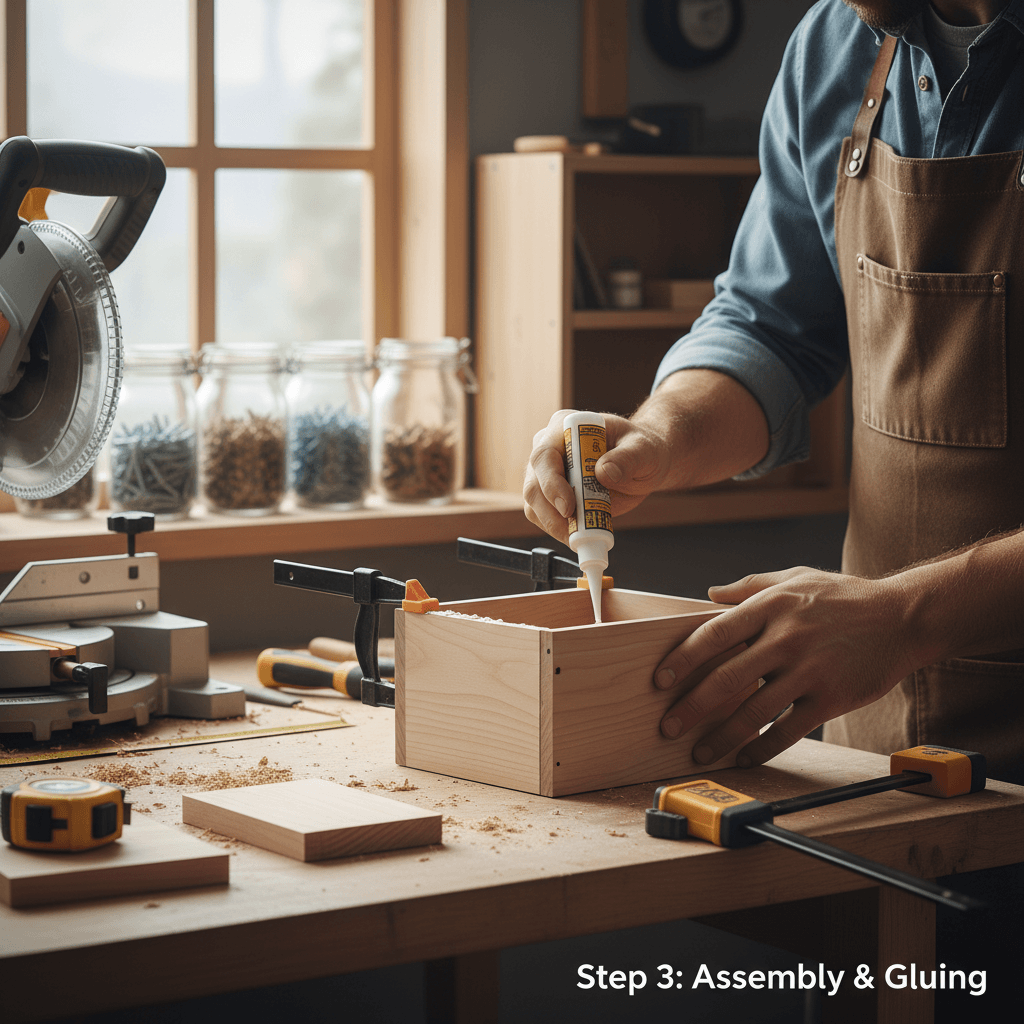
During the assembly phase, using the right amount of wood glue is key; too little will result in a weak bond, while too much will create a mess that is difficult to clean later. Apply a thin, even layer of glue to the mating surfaces and use band clamps or 90-degree corner clamps to hold the box together. Always check the box for square by measuring the diagonals; if the measurements are equal, your box is perfectly square. If you encounter any issues during this phase or need advice on the best adhesives for your specific climate, don’t hesitate to contact our expert team for personalized guidance.
Sanding and Finishing for a Professional Look
Sanding is often the most tedious part of woodworking, but it is the difference between a DIY project and a professional-grade piece of decor. Start with a coarse grit (around 80 or 100) to remove any tool marks or glue squeeze-out, then progress through 150, 180, and finally 220 grit for a smooth-as-glass finish. Between each grit, wipe the wood with a tack cloth or a damp rag to raise the grain and ensure a perfect surface. When it comes to finishing, a food-safe mineral oil or a beeswax blend is ideal for the kitchen environment. These finishes enhance the natural color of the wood while providing a protective layer against moisture and kitchen grease. Applying multiple thin coats will result in a deeper, more resilient luster than one thick coat.
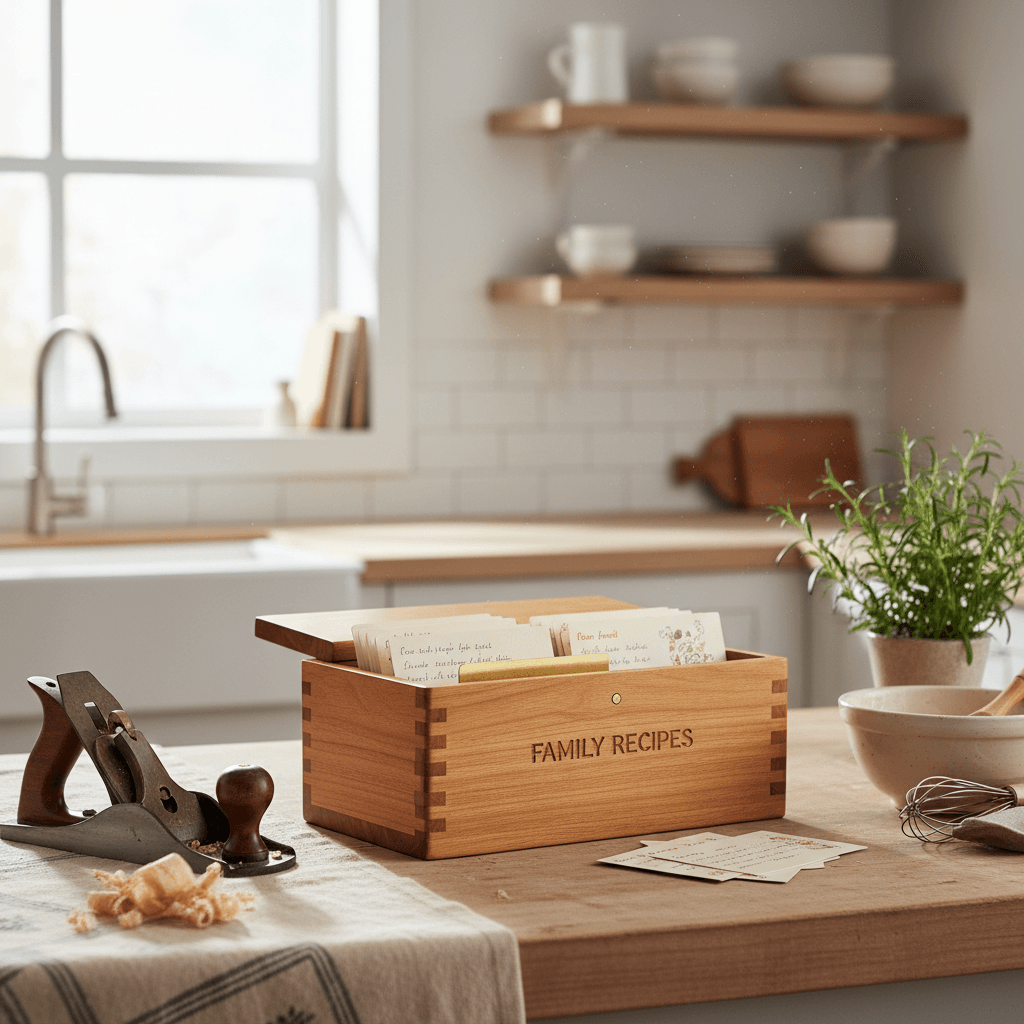
Styling Your Recipe Box in the Kitchen
Once your box is complete, the final step is integrating it into your kitchen’s overall design scheme. A dark Walnut box looks stunning on a white marble countertop, providing a sharp contrast that draws the eye. For a more cohesive look in a traditional kitchen, pair the box with other wooden elements like cutting boards, salt cellars, or floating wooden shelves. You can find more inspiration for interior design and kitchen layouts on The Spruce, which offers great tips on balancing functional items with decorative flair. Positioning your recipe box near your primary prep area makes it both a visual centerpiece and a highly functional tool for daily cooking.
Maintaining Your Handcrafted Wood Decor
Because the kitchen is an environment of varying temperatures and humidity, your wooden recipe box requires occasional maintenance to look its best. Avoid placing the box directly next to the stove where it may be subjected to extreme heat, and never submerge it in water. Every six months, apply a fresh coat of wood conditioner or oil to keep the wood hydrated and prevent cracking. If the box becomes stained with food, a simple wipe with a slightly damp cloth followed by immediate drying is sufficient. Proper care ensures that the box will not only serve you for decades but can also be passed down to the next generation of cooks in your family.
Conclusion: The Reward of Handmade Craftsmanship
Building a wooden recipe box is a rewarding project that combines technical skill with artistic expression. From the initial selection of the raw lumber to the final application of a silk-smooth finish, every step is an opportunity to create something meaningful. This box is more than just a place to store cards; it is a repository of memories, a testament to your hard work, and a beautiful addition to your home decor. By following the steps outlined in this guide and utilizing the resources provided, you are well on your way to mastering a fundamental piece of functional woodworking. Whether you are making this for yourself or as a thoughtful gift for a loved one, the time spent in the workshop is an investment in quality and tradition.