DIY woodworking projectshandmade wood decorsell woodworking from homeprofitable wood itemswoodworking business tipshome decor woodworkingwood finish techniquesEtsy woodworking ideas
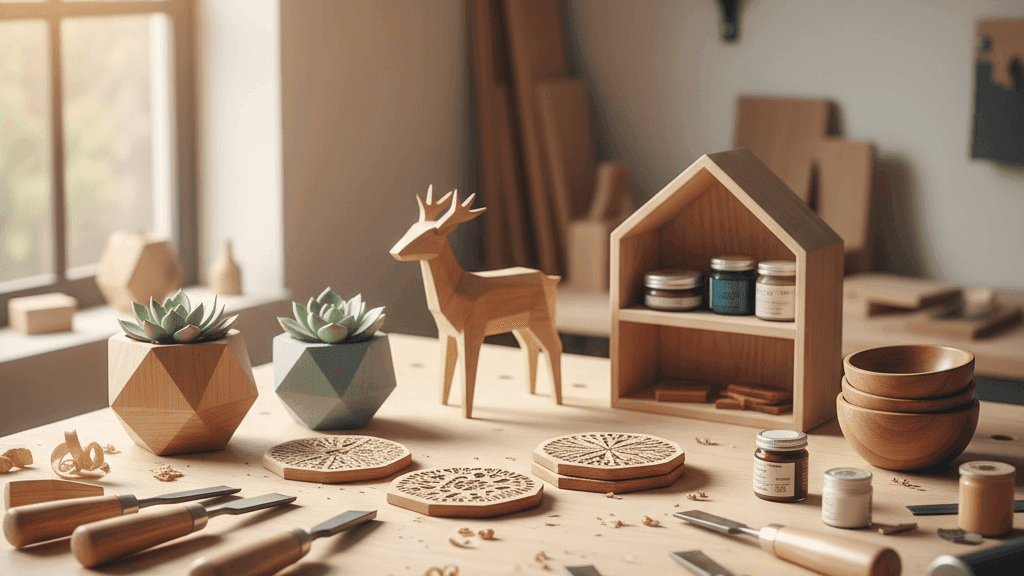
Profitable Small Wooden Home Decor Items to Make and Sell From Home
The rise of the artisan economy has transformed how hobbyists approach their craft, turning simple garage projects into thriving home-based businesses. In an era where mass-produced furniture often lacks character, consumers are increasingly seeking out high-quality, handmade woodworking pieces that tell a story. Small wooden home decor items are the perfect entry point for aspiring entrepreneurs because they require minimal storage space, lower material costs, and can be shipped easily. By focusing on niche markets and high-end finishes, you can build a sustainable income stream while expressing your creativity. Whether you are a seasoned pro or just starting, this guide will walk you through the most profitable items to create and how to market them effectively.
Key Takeaways for Woodworking Entrepreneurs
- Focus on high-margin, small items to minimize shipping costs and maximize profit.
- Invest in high-quality finishes, as the tactile feel of wood often determines its perceived value.
- Utilize online marketplaces like Etsy while building your own brand presence.
- Consistency in design and branding helps in creating a recognizable product line.
- Safety and proper tool maintenance are the foundations of any successful workshop.
Essential Tools for Small-Scale Woodworking
Before diving into production, it is vital to have a core set of tools that allow for precision and efficiency in a home setting. While you don’t need a commercial-grade shop, certain tools are non-negotiable for producing professional-grade decor. A high-quality miter saw is often the centerpiece of a small shop, allowing for the precise crosscuts needed for frames and small furniture. Additionally, a random orbital sander is essential for achieving that buttery-smooth finish that customers expect from handmade goods. For those looking to add intricate details, a scroll saw or a small CNC router can set your work apart from the competition. Proper dust collection is also a critical health consideration when working in confined home spaces. You can find more detailed equipment recommendations in our comprehensive woodworking guides.
Measuring and Marking Instruments
Precision starts with accurate measurement, and in woodworking, even a sixteenth of an inch can make a difference. Invest in a high-quality combination square and a reliable tape measure to ensure all your components fit together seamlessly. Marking knives are often preferred over pencils because they provide a physical groove for your saw blade or chisel to follow. Many professional woodworkers listed by the Bureau of Labor Statistics emphasize that layout is the most important phase of any project. If your measurements are off at the start, every subsequent step will amplify that error.
Top Profitable Wooden Decor Items to Sell
Choosing the right product mix is essential for balancing your time and your potential return on investment. Not every project that is fun to build is profitable to sell, so you must look for items with high demand and low production time. Small wooden items often benefit from being ‘giftable,’ making them popular choices during the holiday seasons and for special occasions like weddings. Below are some of the most successful items you can manufacture from your home workshop.
Custom Wooden Coasters
Wooden coasters are a staple of the handmade market because they are functional, stylish, and incredibly easy to produce in bulk. You can use scrap wood from larger projects, making your material cost nearly zero. Consider using exotic hardwoods like Walnut or Olive wood to create a premium feel that commands a higher price point. Laser engraving custom monograms or local maps onto the surface can turn a simple piece of wood into a personalized treasure. To ensure durability, always apply a water-resistant finish that can withstand condensation from cold drinks.
Floating Shelves and Picture Ledges
Minimalist home design has spurred a massive demand for floating shelves that offer a clean, modern look. These items are relatively simple to construct but require a sturdy mounting system to ensure customer satisfaction. Using high-quality hardwoods or reclaimed barn wood can attract customers looking for a rustic or industrial aesthetic. Small shelves, specifically designed for spices or nursery books, are particularly popular on platforms like Etsy. Providing clear installation instructions and hardware can significantly improve your customer reviews and repeat business.
Handcrafted Serving Trays and Charcuterie Boards
The ‘charcuterie’ trend has created a booming market for oversized serving boards and decorative trays. These items allow the natural beauty of the wood grain to take center stage, often requiring only cutting, sanding, and oiling. It is crucial to use food-safe finishes like mineral oil or beeswax on any item that will come into contact with food. For more information on wood safety, the Wood Database provides excellent resources on wood toxicity and grain patterns. Adding unique handles or epoxy resin inlays can transform a standard board into a luxury art piece. If you need help choosing the right timber for these projects, check out our wood selection services.
Decorative Wooden Candle Holders
Tea light holders and pillar candle stands are excellent small projects that allow for creative geometry and texture. You can experiment with different heights and wood species to create ‘sets’ that sell for more than individual pieces. Safety is paramount when designing items that hold open flames, so ensure the wood is thick enough to dissipate heat and the base is stable. Driftwood or live-edge scraps are perfect for a coastal or organic decor theme. These items are lightweight and easy to pack, making them ideal for shipping to international customers.
Sourcing High-Quality Materials
The quality of your finished product is directly tied to the quality of the lumber you select. While big-box retailers are convenient, sourcing wood from local sawmills or specialty hardwood dealers often yields better grain patterns and lower prices. Reclaimed wood is another fantastic option that appeals to eco-conscious consumers and adds a sense of history to your decor. Always check the moisture content of your wood using a moisture meter to prevent warping or cracking after the item is sold. Understanding the properties of different species, such as Janka hardness and rot resistance, is essential for professional woodworking. Many artisans find inspiration in the Fine Woodworking journals which detail various wood characteristics and joinery techniques.
Sustainably Sourced Timber
As environmental awareness grows, more customers are asking about the origins of the wood used in their home decor. Promoting your use of FSC-certified lumber or locally salvaged wood can be a powerful marketing tool. Sustainable practices not only help the planet but also build a brand image of responsibility and care. Small-scale makers have a unique advantage here, as they can often tell the specific story of where a piece of wood came from. Transparency in your supply chain fosters trust with your clientele.
Finishing Techniques for a Professional Look
The finish is what separates a DIY project from a professional product that people are willing to buy. Sanding is the most tedious part of the process, but it is also the most critical for a high-end result. Work through the grits—starting at 80 and moving up to at least 220—ensuring you remove all tool marks and scratches. Whether you choose a natural oil, a hard-wax finish, or a durable polyurethane, the application must be smooth and free of dust nibs. Natural finishes like Danish Oil or Rubio Monocoat are popular because they enhance the wood’s natural beauty without looking plastic-like. If you encounter issues with your finishing process, feel free to contact our experts for advice.
Marketing and Selling Your Wooden Creations
Building a beautiful product is only half the battle; the other half is getting it in front of the right buyers. High-quality photography is non-negotiable in the world of online sales. Use natural lighting and ‘lifestyle’ staging to help customers visualize how the item will look in their own homes. Social media platforms like Instagram and Pinterest are visual-heavy and perfect for showcasing the woodworking process. Consistency in your posting schedule and engagement with your audience can turn followers into loyal customers. You can also look into the Smithsonian’s archives on craftsmanship to understand the historical context of handmade goods and use that narrative in your marketing.
Pricing Your Products for Profit
One of the biggest mistakes new woodworkers make is underpricing their labor and overhead. You must account for material costs, consumables (like sandpaper and glue), shipping materials, and your hourly rate. A common formula is (Materials + Overhead) x 2 + Labor = Wholesale Price, then double that for Retail. Don’t be afraid to charge what your work is worth; if you compete solely on price, you will find it difficult to sustain a business long-term. High-quality handmade goods are a luxury item, and your pricing should reflect that exclusivity.
Conclusion
Starting a home-based woodworking business is a rewarding journey that blends artistic expression with entrepreneurial grit. By focusing on small, high-demand items like coasters, shelves, and serving boards, you can minimize risk while building a solid foundation. Remember that the details—the choice of wood, the precision of the joinery, and the smoothness of the finish—are what will make your business successful. As you grow, continue to refine your craft, listen to customer feedback, and stay curious about new techniques. The world will always have a place for beautiful, functional wooden objects that bring warmth and character into the home. For more resources and community support, visit Home Decor Woodworking today.