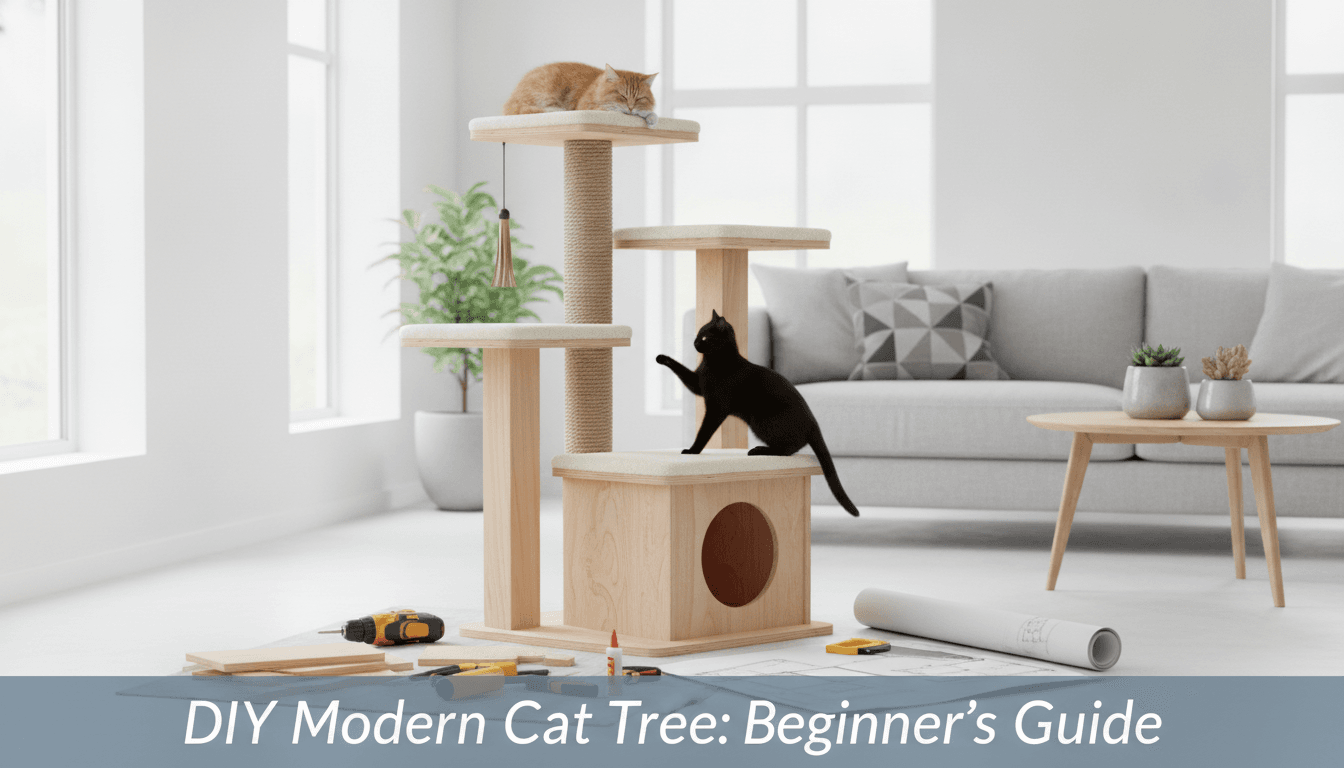
For many years, pet owners were forced to choose between the happiness of their feline companions and the aesthetic integrity of their living spaces. Traditional cat trees, often covered in beige carpet and constructed from flimsy cardboard tubes, have long been an eyesore in otherwise carefully curated homes. However, the rise of the modern DIY woodworking movement has changed the landscape, allowing enthusiasts to create functional, beautiful pieces that serve both as a playground for cats and a statement piece for the room. Building a DIY wooden cat tree is the perfect intersection of interior design and animal welfare, ensuring that your home remains a sanctuary of style. For those looking to dive deeper into the world of custom builds, exploring our comprehensive woodworking guides can provide the foundational knowledge needed to tackle even more complex furniture projects.
Key Takeaways for Designing a Modern Cat Tree
- Material Selection: Opt for high-quality hardwoods or furniture-grade birch plywood instead of cheap particle board to ensure longevity and a premium look.
- Safety First: Always prioritize structural stability by using a wide, heavy base to prevent tipping during high-energy play.
- Aesthetic Integration: Match your wood stains and fabric choices to your existing modern home decor, such as Mid-Century Modern or Scandinavian styles.
- Cat Enrichment: Incorporate different levels, vertical scratching surfaces, and cozy hideaways to satisfy natural feline instincts.
- Beginner Friendly: Use simple joinery techniques like pocket holes and wood glue to achieve a professional finish without needing advanced machinery.
Why Modern Cat Furniture Matters in Contemporary Design
In the world of interior design, every piece of furniture contributes to the overall narrative of a space. Modern homes often lean towards minimalism, clean lines, and natural materials, which is why the traditional carpeted cat tower feels so out of place. By utilizing natural wood grains and architectural silhouettes, you can transform a pet accessory into a work of art. Research published in the Journal of Feline Medicine and Surgery highlights that vertical space is essential for a cat’s mental health, reducing stress and territorial disputes in multi-cat households. Integrating these needs into a design that complements your home decor is the hallmark of a thoughtful pet owner. If you are unsure where to start with your custom home projects, you can always reach out via our contact page for expert advice on material sourcing.
Understanding the Fundamentals of Modern Woodworking
Choosing the Right Wood for Your Project
When embarking on a beginner woodworking project, the choice of lumber is the most critical decision you will make. For a modern look, Baltic Birch plywood is a favorite among designers due to its visible, clean edge layers and incredibly smooth surface. Alternatively, softwoods like pine or cedar are affordable and easy to work with, though they require careful sanding and staining to achieve a high-end appearance. According to Wood Magazine, selecting the right species involves balancing weight, grain pattern, and ease of finishing. Choosing a wood that mirrors your existing coffee table or shelving units will create a cohesive visual flow throughout your living room.
Essential Tools for the Beginner Woodworker
You do not need a massive workshop to build a professional-quality cat tree. A few essential power tools will suffice for most modern designs. You will definitely need a cordless drill for assembly, a miter saw for cross-cuts, and an orbital sander to ensure the wood is safe for your cat’s paws. Investing in quality tools early on will save you time and frustration during the assembly phase. If you need help selecting specific tools for your home workshop, check out our professional woodworking services section for recommendations on setup and maintenance.
Step-by-Step Instructions: Building Your Minimalist Cat Tree
Phase 1: Planning and Dimensions
Before making your first cut, you must have a clear plan. A standard modern cat tree usually stands between 48 and 60 inches tall. The base should be at least 24×24 inches to maintain a low center of gravity. Drawing a detailed blueprint allows you to calculate the exact amount of lumber required and minimizes waste.
Phase 2: Cutting the Platforms and Supports
Using your miter saw or a circular saw with a guide, cut your wooden platforms into squares or organic rounded shapes. Sanding each piece thoroughly starting with 80-grit and moving up to 220-grit sandpaper is vital for a splinter-free finish. According to the Wikipedia entry on cat trees, the structural integrity of the vertical posts is what determines the lifespan of the furniture. Ensure your vertical supports are made from solid 4×4 timber or thick-walled PVC pipes wrapped in natural sisal rope.
Phase 3: Assembly with Pocket Hole Joinery
For a clean, modern look, you want to hide your screws. Pocket hole joinery is the secret weapon for beginners to create strong, invisible joints. By drilling angled holes on the underside of your platforms, you can secure them to the vertical posts without any visible hardware on the top surface. Applying a bead of high-quality wood glue to every joint will provide long-term durability against the jumping force of an active cat.
Finishing Touches: Fabric, Texture, and Protection
Applying a Pet-Safe Finish
Standard wood stains and varnishes can contain volatile organic compounds (VOCs) that may be harmful to pets. Instead, opt for natural oils like butcher block oil or beeswax finishes. A natural finish enhances the wood grain while remaining completely non-toxic for your cat. This approach is highly recommended by experts at Architectural Digest when designing for homes with sensitive inhabitants.
Selecting Modern Fabrics for Lounging
Forget the shaggy carpet of the 1990s. For a modern cat tree, use felt pads, faux fur, or woven upholstery fabrics that match your sofa. Use a heavy-duty staple gun to secure the fabric to the top of the platforms, ensuring the staples are deeply embedded so they cannot snag a claw. The contrast between the warm wood tones and the soft grey or cream fabric creates a sophisticated Scandinavian aesthetic.
Safety and Stability: Ensuring a Tip-Proof Design
The safety of your pet is the most important factor. Cats can exert significant lateral force when leaping onto a tower. Adding a weighted bottom or even anchoring the top of the tree to a wall stud is the best way to prevent accidents. The American Veterinary Medical Association emphasizes that environmental enrichment must be safe to be effective. Always test the stability of each level by applying manual pressure before allowing your cat to climb the finished product.
Maintenance and Long-Term Care
A wooden cat tree is much easier to maintain than a carpeted one. You can simply wipe down the wood surfaces with a damp cloth and vacuum the fabric pads. Replacing the sisal rope every year or two will keep the tree looking brand new and provide your cat with a fresh scratching surface. This sustainable approach to pet furniture ensures that your hard work lasts for many years to come.
Conclusion: Transforming Your Home with Woodworking
Building a DIY wooden cat tree is a rewarding project that elevates your home decor while providing your feline friend with a dedicated space to play and rest. By choosing quality materials, focusing on modern design principles, and following safe construction practices, you create a piece of furniture that is both functional and beautiful. Whether you are a total novice or looking to refine your skills, this project serves as an excellent entry point into the world of custom furniture. Your cat deserves a throne that looks as good as the rest of your home. For more inspiration on how to blend woodworking with your lifestyle, explore our latest woodworking project guides today.