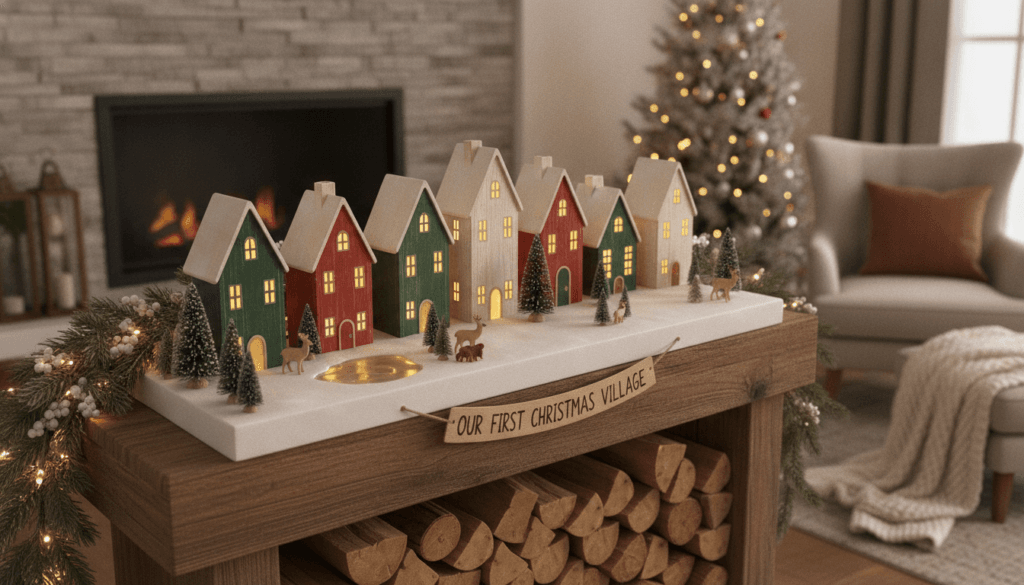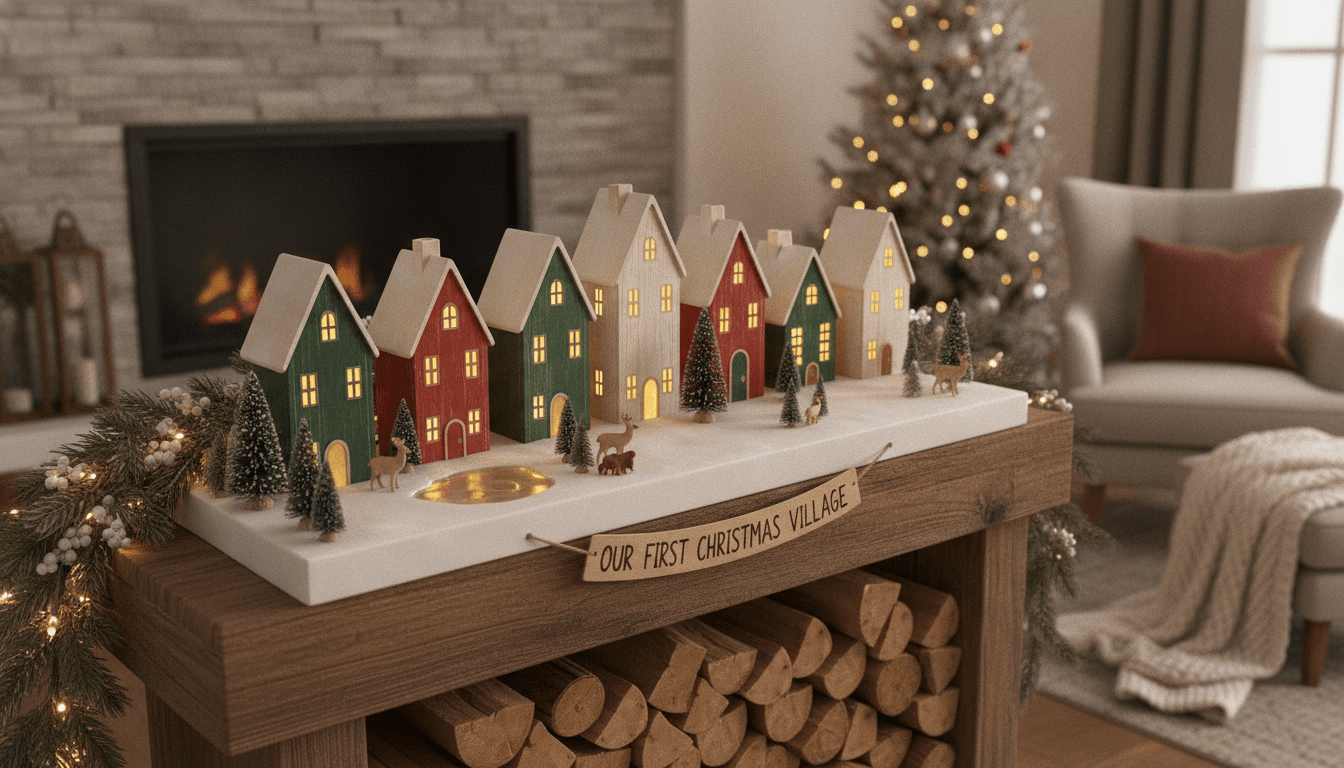
Transforming your living space into a festive wonderland begins with the centerpiece of your home: the fireplace mantel. For those looking to move beyond plastic figurines and store-bought kits, a DIY wooden Christmas village offers a timeless, rustic charm that can be customized to fit any aesthetic. Whether you prefer a minimalist Scandi-style village or a traditional, detailed town, this project is the perfect entry point for beginner woodworkers looking to refine their skills. In this comprehensive guide, we will explore every facet of creating your own holiday miniature world, from selecting the right lumber to mastering the art of mantel styling.
Key Takeaways
- Personalization is the primary advantage of crafting your own wooden village, allowing for specific scales and color palettes.
- Pine and plywood are the ideal materials for beginners due to their affordability and ease of manipulation.
- Safety and preparation are paramount when using power tools for the first time.
- Layering and lighting are the secrets to a professional-looking mantel display.
- Proper storage and maintenance ensure your handmade village remains a family heirloom for decades.
The Historical Context of Holiday Villages
The tradition of creating miniature holiday scenes is deeply rooted in European history. Specifically, the Christmas village tradition traces its origins back to the 18th-century Moravian church, where elaborate scenes known as ‘putz’ were constructed around the base of the tree. Over time, these displays evolved from simple cardboard houses to the intricate porcelain and wooden versions we see today. By opting for a wooden construction, you are paying homage to the craftsmanship of early folk artists while creating something durable enough to withstand the test of time. Building your own village allows you to reconnect with this historical craft while exercising your creative freedom in a modern context.
Choosing the Best Wood for Your Project
The success of your DIY wooden Christmas village depends heavily on the type of timber you select. For beginners, the vast array of wood species can be overwhelming. Softwoods like pine, cedar, and fir are generally the most accessible and easiest to cut with hand tools or basic power saws. Pine is particularly favored for its smooth grain and ability to take both paint and stain exceptionally well. Alternatively, if you are looking for a more uniform and budget-friendly option, high-quality birch plywood offers excellent structural stability without the risk of warping. For those interested in expanding their material knowledge, our beginner woodworking guides provide deep dives into selecting the perfect grain for holiday projects.
Understanding Grain and Texture
The grain pattern of the wood will dictate how the light reflects off your houses. If you plan on a natural wood finish, look for ‘select pine’ which has fewer knots and a straighter grain. Knots can add character but may be difficult to saw through for those just starting out. Always ensure your wood is kiln-dried to prevent the houses from cracking or shrinking once they are brought into the dry heat of your home during the winter months.
Essential Tools for the Beginner Woodworker
You do not need a massive workshop to build a stunning Christmas village. A few key tools will allow you to achieve professional results with minimal investment. According to industry standards at Wood Magazine, the most versatile tool for small-scale projects is the jigsaw or a scroll saw. A jigsaw is perfect for cutting out the basic silhouettes of houses and steeples, while a scroll saw allows for more intricate window details. Other essential items include a speed square, wood glue, clamps, and a variety of sandpaper grits. Investing in quality tools early on will make the crafting process much more enjoyable and significantly safer.
The Importance of Sanding
Sanding is arguably the most critical step in achieving a high-end look. Beginners often rush this stage, but proper sanding removes tool marks and prepares the wood fibers for finishing. Start with a coarse 80-grit sandpaper to level the surfaces, then transition to 120-grit, and finally finish with 220-grit for a buttery smooth feel. Never skip grits, as each subsequent level removes the scratches left by the previous one. A well-sanded village house will feel professional to the touch and look flawless under the glow of holiday lights.
Step-by-Step Construction Guide
The construction process begins with a solid plan and a clear design vision. Before making your first cut, sketch out various house shapes on a piece of paper. Varying the heights and widths of the buildings is crucial for creating visual interest on your mantel. A mix of tall, narrow ‘townhouses’ and wide, short ‘cottages’ creates a dynamic skyline.
1. Designing Your House Templates
Create cardboard templates for each building size. This allows you to trace the shapes directly onto your wood planks, ensuring consistency and minimizing waste. Incorporate classic architectural features like peaked gables, saltbox roofs, and even a miniature church steeple. If you need assistance with custom measurements, you can explore our bespoke woodworking services for tailored design templates.
2. Cutting the Silhouettes Safely
Safety is the number one priority when operating any cutting machinery. As outlined by OSHA safety standards, always wear eye protection and ensure your workpiece is firmly clamped to a stable surface. When using a jigsaw, keep the base plate flat against the wood and let the blade do the work—never force it. Slow and steady movements result in cleaner cuts and less vibration, which is especially important when working with smaller pieces of wood.
3. Adding Architectural Detail
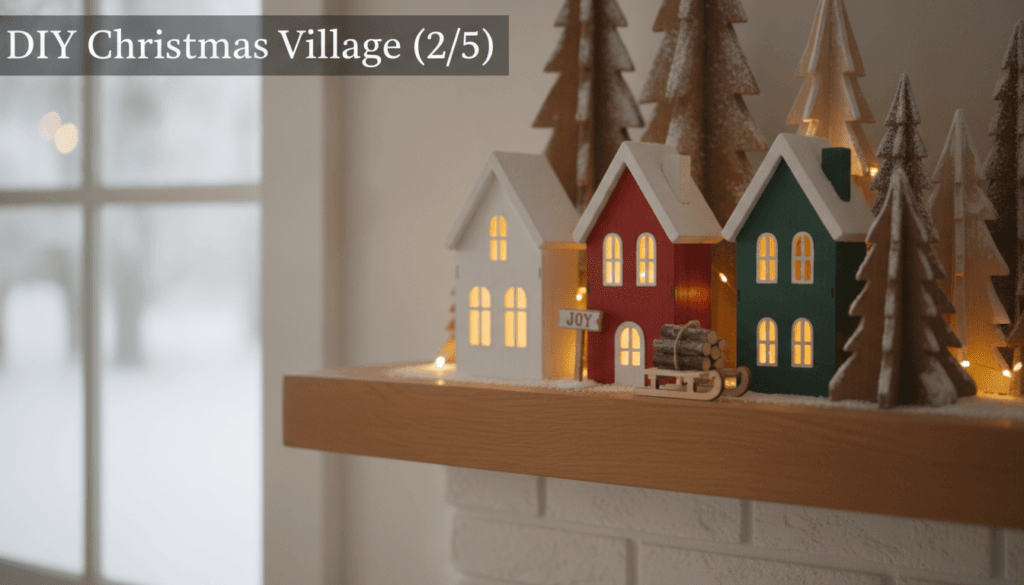
To take your village to the next level, consider adding ‘layers’ to your houses. This can be done by gluing small squares of wood onto the facade to represent windows or doors. Using wood glue specifically designed for carpentry is essential here; apply a thin layer, clamp for 30 minutes, and allow it to cure fully for 24 hours. These small details create shadows and depth, making the village look more realistic when viewed from across the room.
Finishing: Paint, Stain, and Protection
The finish you choose will define the entire vibe of your holiday mantel. For a modern, minimalist look, consider a simple white paint or even leaving the wood raw with a clear matte sealer. If you prefer a cozy, rustic aesthetic, dark walnut or weathered grey stains can provide a beautiful contrast against green garlands. Using a pre-stain wood conditioner is highly recommended for pine to prevent blotchiness. Always apply finishes in a well-ventilated area and follow the manufacturer’s instructions for drying times. For any questions regarding the best finishes for indoor decor, feel free to contact our expert team for a consultation.
Lighting Your Village for Maximum Impact
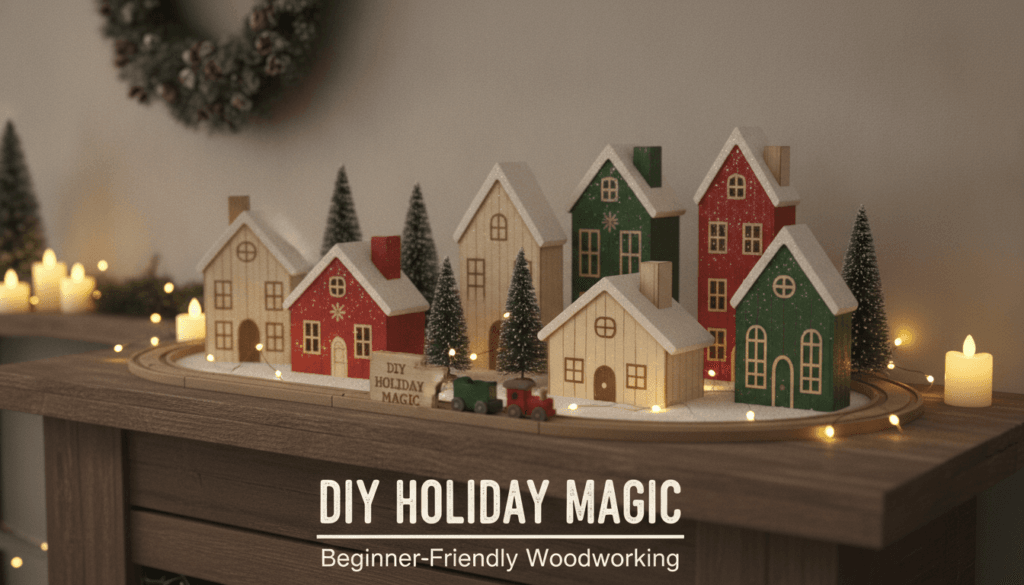
Lighting is what truly brings a Christmas village to life. Instead of traditional incandescent bulbs that can generate heat, opt for battery-operated LED fairy lights. These are safe to tuck behind your wooden houses and provide a soft, magical glow without the clutter of cords. Strategically placing the lights behind the buildings creates a beautiful silhouette effect, emphasizing the shapes you worked so hard to cut. For an even more immersive experience, you can drill small holes into the houses and insert individual LED bulbs to make it look like the lights are on inside the homes.
Mantel Styling: The Art of the Display
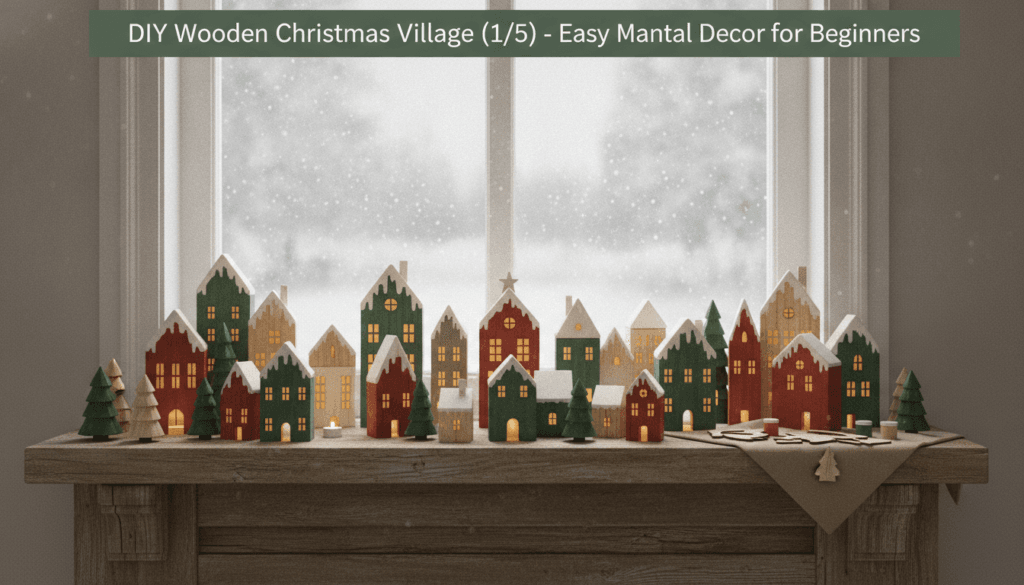
Styling your mantel requires a balance of height, texture, and color. You don’t want your village to look like a cluttered shelf; you want it to look like a curated scene. Start by laying down a base of faux cedar or pine garland to provide a lush, green foundation. Place your tallest wooden houses at the ends of the mantel and work your way toward the center with smaller pieces. Incorporating ‘elevation’ is a pro-tip: use small wooden blocks hidden under the garland to lift certain houses higher than others. For more inspiration on holiday arrangements, Architectural Digest offers excellent tips on professional interior styling.
Adding Natural Elements
To ground the wooden village in a festive environment, add natural elements like pinecones, dried orange slices, or sprigs of holly. The combination of natural wood tones and organic greenery creates a cohesive and sophisticated look. A light dusting of faux snow over the rooftops can add that final touch of winter magic, making the scene feel complete.
Maintenance and Longevity
Because your village is made of wood, it is susceptible to changes in humidity and temperature. Over the years, the wood may expand or contract. To ensure its longevity, store your village in a climate-controlled area rather than a damp garage or a scorching attic. Wrapping each house in acid-free tissue paper will prevent the paint from chipping or sticking together during the off-season. A quick wipe with a microfiber cloth each year before setting it up will keep the village looking brand new for generations to come. Professional miniature restoration techniques can also be researched via the Smithsonian Institution, which archives many historical wooden crafts.
Conclusion
Crafting a DIY wooden Christmas village is more than just a weekend project; it is an investment in your home’s holiday heritage. By taking the time to select quality materials, practice safe woodworking techniques, and thoughtfully style your display, you create a piece of decor that carries much more meaning than anything bought in a store. The mantel is the heart of the home during the winter months, and a handmade village serves as a warm reminder of the effort and creativity you’ve poured into your living space. So, grab your saw, put on some holiday music, and start building your own miniature winter wonderland today.