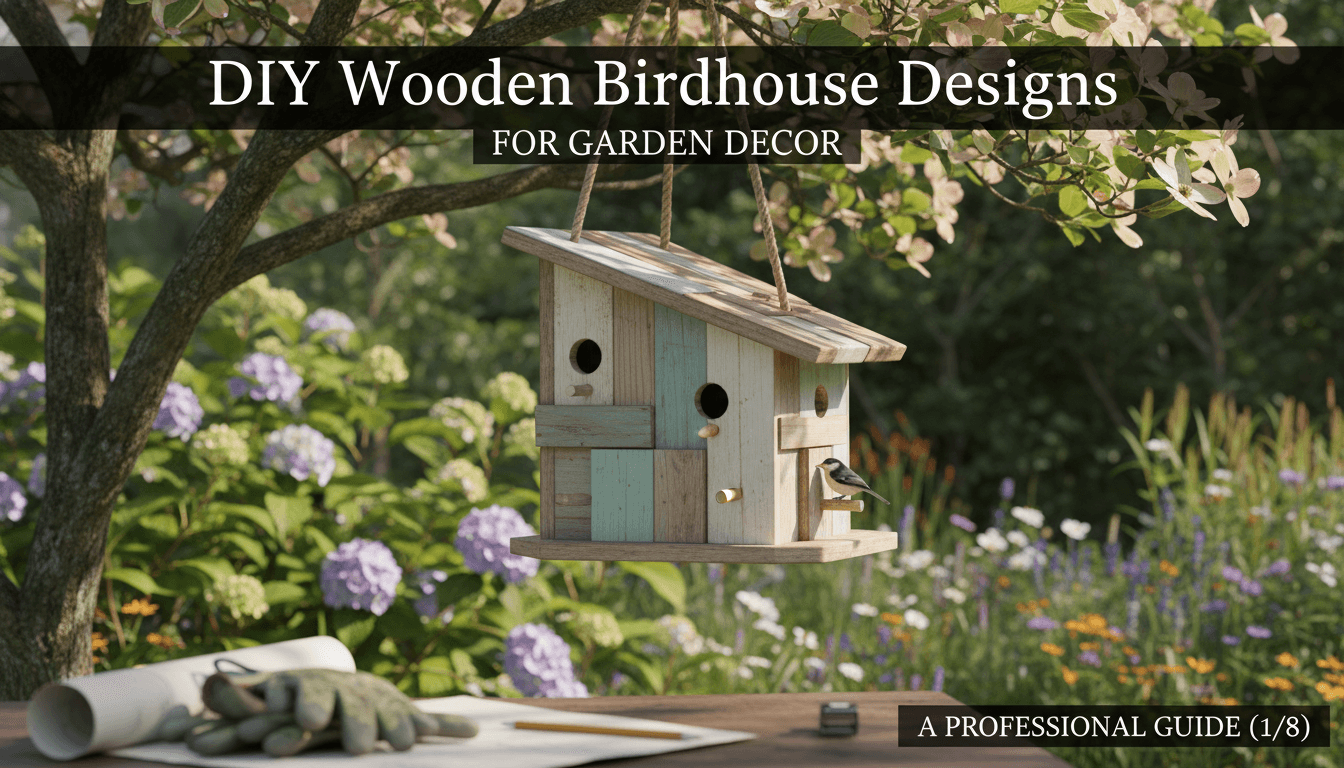
DIY Wooden Birdhouse Designs for Garden Decor: The Ultimate Step-by-Step Professional Guide
Creating handcrafted wooden birdhouses is a rewarding endeavor that blends the precision of woodworking with the beauty of wildlife conservation. By following professional construction techniques and utilizing high-quality materials, you can transform your garden into a sanctuary for local avian species while significantly enhancing your property’s aesthetic appeal. This comprehensive guide covers everything from material selection to advanced architectural styles, ensuring your projects are both functional and visually stunning. 
Key Takeaways for Successful Birdhouse Construction
- Always use rot-resistant, untreated wood such as Western Red Cedar or Redwood to ensure longevity and bird safety.
- Specific hole diameters are critical for targeting particular bird species and excluding unwanted predators.
- Proper ventilation and drainage are non-negotiable features for a healthy nesting environment.
- Annual maintenance and cleaning are essential to prevent the spread of avian diseases.
- Placement height and orientation significantly impact the occupancy rate of your birdhouse.
Understanding the Importance of Material Selection
The choice of timber is the foundation of any successful outdoor woodworking project, especially when it concerns the delicate habitat of nesting birds. While many beginners gravitate toward pressure-treated lumber for its durability, this is a mistake because the chemicals used in the treatment process can be toxic to young fledglings. Instead, professionals recommend using Western red cedar because it contains natural oils that resist rot, decay, and insect infestation. If you are looking for more advanced insights on timber types, check out our expert woodworking guides for detailed material comparisons.
Pine and plywood are acceptable for temporary or painted structures, but they will not withstand the elements as long as high-quality hardwoods or cedar. If you choose to use pine, ensure it is thick enough (at least 3/4 inch) to provide adequate insulation against both heat and cold. Utilizing sustainable wood sources is also vital for environmental conservation. We strongly suggest looking for materials certified by the Forest Stewardship Council (FSC) to ensure your hobby supports responsible forestry practices globally.
Essential Tools for Professional Birdhouse Building
Having the right set of tools is paramount to achieving the clean cuts and tight joints necessary for a high-quality garden birdhouse. You do not need a massive workshop, but a few key power and hand tools will make the process much smoother. A miter saw is the most efficient tool for making the repeated crosscuts and angled roof cuts required for traditional designs. For the entrance holes, a drill equipped with a set of hole saws or Forstner bits is indispensable, as it allows for the precise diameters required by different species.
In addition to cutting tools, you will need a pneumatic brad nailer or exterior-grade screws to assemble the components securely. Waterproof wood glue, specifically rated for outdoor use like Titebond III, should be applied to all joints to provide extra structural integrity. Safety should always be your primary concern when operating woodworking machinery. For those new to the craft, our custom woodworking services can provide pre-cut kits or professional consultations to help you get started safely. Always wear eye protection and a dust mask when sanding or cutting cedar, as its dust can be an irritant.
Designing for Specific Avian Species
One size does not fit all when it comes to avian architecture; dimensions must be tailored to the specific needs of your target birds. For instance, the Eastern Bluebird requires a floor space of 5×5 inches and an entrance hole exactly 1.5 inches in diameter to prevent larger birds like starlings from entering. Consulting research from the Cornell Lab of Ornithology is the best way to determine the precise dimensions for birds in your local area. Providing the wrong dimensions can lead to nesting failure or increased predation.
The height of the entrance hole above the floor is another critical metric that ensures the safety of the nestlings from reaching predators. For most small songbirds, the hole should be placed 5 to 8 inches above the floor. Designing with a slanted roof that overhangs the entrance will protect the interior from driving rain and harsh sunlight. If you need help designing a birdhouse for a specific region, feel free to contact us for a consultation on local wildlife needs.
The Blueprint: Step-by-Step Basic Birdhouse Assembly
Step 1: Measuring and Marking your Lumber. Begin by marking out the back, floor, two sides, front, and roof on your cedar board. Accuracy in the marking phase is what separates a professional-looking birdhouse from a DIY project that fails to fit together properly. Use a speed square to ensure all your lines are perfectly perpendicular to the edge of the board.
Step 2: Cutting the Components. Use your miter saw to cut the pieces to the lengths specified in your plan. When cutting the side pieces, incorporate a slight angle (usually 15 to 22 degrees) at the top to accommodate the slope of the roof. This angle allows water to run off efficiently, preventing moisture from seeping into the nesting chamber. [IMAGE_9]
Step 3: Drilling Ventilation and Drainage. Before assembly, drill four 1/4-inch holes in the floor for drainage and two 1/4-inch holes near the top of the side panels for ventilation. Adequate airflow is vital to prevent the birdhouse from becoming an oven during the peak of summer. These small details are often overlooked by beginners but are standard in professional designs. [IMAGE_10]
Step 4: Assembly. Apply wood glue to the joints and use 1.5-inch exterior-grade screws or nails to join the sides to the back. Ensure that the floor is recessed slightly (about 1/4 inch) up into the walls to prevent water from wicking into the floor panel. Attach the front piece last, ensuring the entrance hole is at the correct height for your target species. [IMAGE_11]
Step 5: The Roof and Cleaning Hatch. Attach the roof with a significant overhang on the front and sides. One of the most important professional features you can add is a hinged side or front panel that allows for easy cleaning at the end of the season. Use a simple brass hook or a screw that can be easily removed to keep the cleaning hatch secure during the nesting period. [IMAGE_12]
Advanced Garden Decor Styles: Aesthetic Variations
While functionality is the priority, the aesthetic design of your birdhouse can elevate your garden’s overall decor. Modern minimalist designs often feature flat roofs, clean lines, and dark-stained exteriors (ensure only the outside is stained). Rustic designs might utilize reclaimed barn wood or live-edge slabs to create a more natural, weathered look that blends seamlessly into woodland environments. For a more whimsical garden, Victorian-style birdhouses with ornate trim and cupolas can serve as a stunning focal point. [IMAGE_13]
Integrating your birdhouse into a larger garden plan can create a cohesive outdoor living space. You might consider mounting several birdhouses of varying styles on a single post to create a “bird hotel” effect, though this is usually only successful for colonial nesters like Purple Martins. According to the National Wildlife Federation, providing varied nesting sites is a key component of a certified wildlife habitat. Experimenting with different roof materials, such as copper or slate, can add a touch of luxury to your DIY creations. [IMAGE_14]
Professional Finishing and Preservation Techniques
The finish you apply to your birdhouse determines how well it will age and whether it remains safe for its inhabitants. Never paint or stain the interior of the birdhouse, as the fumes and chemicals can harm the birds. For the exterior, use only non-toxic, water-based stains or paints in light colors to prevent overheating. If you are using cedar or redwood, you may choose to leave the wood unfinished, allowing it to gray naturally over time into a beautiful silvery patina. [IMAGE_15]
Applying a thin coat of raw linseed oil can provide a bit of extra protection without introducing harmful synthetic solvents. However, avoid any oils that contain drying agents like metallic salts. Ensuring the roof is properly sealed is the most effective way to preserve the wood and keep the interior dry. If you are unsure about which finishes are safe, our team at Home Decor Woodworking offers a variety of tutorials on bird-safe finishing techniques. [IMAGE_16]
Protecting Inhabitants from Predators and Competition
A birdhouse without predator protection can quickly become a trap rather than a sanctuary. Common predators like raccoons, cats, and snakes are adept at reaching into entrance holes or climbing mounting poles. Installing a predator guard or a ‘portal protector’—a thick piece of wood or metal around the entrance hole—prevents predators from chewing the hole larger to gain access. This simple addition significantly increases the survival rate of the brood. [IMAGE_17]
Baffles installed on the mounting pole are the most effective way to stop climbing predators from reaching the nest. Additionally, never include a perch on the outside of your birdhouse; birds do not need them, and they provide a convenient handle for predators to hold onto while raiding the nest. Research published in ScienceDirect indicates that nest box design and location are the two biggest factors in determining the success of urban bird populations. By focusing on security, you are contributing directly to local biodiversity. [IMAGE_18]
Maintenance and Annual Care Cycle
To maintain a healthy environment, birdhouses must be cleaned out at least once a year, typically in late winter before the spring nesting season begins. Remove all old nesting material, as it can harbor parasites like mites and blowflies that could infect the next generation of birds. A weak solution of one part bleach to nine parts water is effective for scrubbing the interior to kill any lingering pathogens. Allow the house to dry completely in the sun before reassembling and rehanging it. [IMAGE_19]
Regularly inspect the structure for cracks, loose screws, or signs of wood rot that could compromise its integrity. If you find that a birdhouse is consistently unoccupied, consider moving it to a new location with different sun exposure or height. Monitoring the usage of your birdhouses throughout the year provides valuable data on the health of your local ecosystem. You can find more maintenance schedules and tips on our woodworking guides page. [IMAGE_20]
Conclusion: Building a Legacy in Your Garden
Mastering the art of DIY wooden birdhouse construction is a journey that pays dividends in both personal satisfaction and ecological health. By combining professional woodworking techniques with an understanding of avian biology, you create more than just garden decor; you create a home. Whether you are a seasoned carpenter or a weekend hobbyist, the steps outlined in this guide provide the framework for building beautiful, durable, and safe birdhouses that will last for years to come. Start your next project today and enjoy the sights and sounds of nature flourishing in your own backyard. [IMAGE_21]